Skip to content
Lemonlight Lemonlight
  • Services
      • Video by Style
        • AI VideoHuman creativity with AI efficiency
        • Doc-Style VideoReal stories, real impact
        • Scripted VideoCinematic brand storytelling
        • Animated VideoExplain complex concepts simply
        • Curated VideoCrafted with premium stock footage
      • Lemonlight Pro Dedicated creative team and priority timelines to maximize your budget.
      • How it WorksFrom concept to completion, our streamlined process brings your vision.
        • Watch VideoPlay Video
  • Studios
  • Our Work
      • Type of Video
        • Video AdTurn ideas into standout video ads
        • Product VideoShow your product clearly
        • About Us VideoBring your brand’s story to life
        • Testimonial VideoBuild trust with real voices
        • Event VideoCapture moments that matter
        • Crowdfunding VideoInspire support through story
        • Explainer VideoMake complex ideas feel simple
        • Tutorial VideoTeach with clarity and ease
        • Team VideoHighlight the people behind your brand
        • AI VideoHuman creativity with AI efficiency
      • Photography Services
        • PhotoBrand Photography
      • Industry
        • Software & TechSimplify complex products
        • EducationMake learning engaging
        • Retail & E-commerceHelp shoppers purchase you
        • Beauty & FashionFeature products with style
        • Health & FitnessInspire healthier choices
        • Food & RestaurantBring flavors to life
        • Professional ServicesElevate your expertise
        • Home & GardenVisualize home improvements
        • Medical & BiotechUncomplicate healthcare
        • Travel & HospitalityShare experiences that inspire
        • Real EstateHelp buyers see potential
        • Media & EntertainmentBring creative ideas alive
        • AutomotiveShowcase performance in motion
      • Ready to Create Videos That Convert?Get In Touch
  • Partners
  • Blog
  • Login
  • Get Started
  • Services
      • Video by Style
        • AI VideoHuman creativity with AI efficiency
        • Doc-Style VideoReal stories, real impact
        • Scripted VideoCinematic brand storytelling
        • Animated VideoExplain complex concepts simply
        • Curated VideoCrafted with premium stock footage
      • Lemonlight Pro Dedicated creative team and priority timelines to maximize your budget.
      • How it WorksFrom concept to completion, our streamlined process brings your vision.
        • Watch VideoPlay Video
  • Studios
  • Our Work
      • Type of Video
        • Video AdTurn ideas into standout video ads
        • Product VideoShow your product clearly
        • About Us VideoBring your brand’s story to life
        • Testimonial VideoBuild trust with real voices
        • Event VideoCapture moments that matter
        • Crowdfunding VideoInspire support through story
        • Explainer VideoMake complex ideas feel simple
        • Tutorial VideoTeach with clarity and ease
        • Team VideoHighlight the people behind your brand
        • AI VideoHuman creativity with AI efficiency
      • Photography Services
        • PhotoBrand Photography
      • Industry
        • Software & TechSimplify complex products
        • EducationMake learning engaging
        • Retail & E-commerceHelp shoppers purchase you
        • Beauty & FashionFeature products with style
        • Health & FitnessInspire healthier choices
        • Food & RestaurantBring flavors to life
        • Professional ServicesElevate your expertise
        • Home & GardenVisualize home improvements
        • Medical & BiotechUncomplicate healthcare
        • Travel & HospitalityShare experiences that inspire
        • Real EstateHelp buyers see potential
        • Media & EntertainmentBring creative ideas alive
        • AutomotiveShowcase performance in motion
      • Ready to Create Videos That Convert?Get In Touch
  • Partners
  • Blog
  • Login
  • Get Started
Attract More Customers

Avoiding Ad Fatigue with Multiple Versions of Your Ad Creative

July 7, 2026 9 min read1116
0Shares
0Shares

Key Takeaways

  • Ad fatigue happens when audiences see the same ad too many times, growing bored or frustrated and tuning it out—sometimes even forming lasting negative associations with the brand that hurt future purchasing decisions.
  • Binge-watching and programmatic media buying have made the problem worse. Streaming lets viewers consume content marathon-style, creating more chances to encounter the same ad in one sitting, while automated ad buying floods narrow audiences with repeat impressions.
  • The data shows repetition backfires past a certain point. Facebook’s most effective campaigns keep frequency between 1 and 2, with effectiveness dropping off after 3.4. Simulmedia found people who saw an ad 6–10 times were 4.1% less likely to purchase than those who saw it 2–5 times.
  • Frequency caps aren’t a reliable fix yet. Because advertisers buy slots from multiple sources (network, platform, programmatic partners) whose caps don’t communicate, a reasonable limit of two placements per hour can balloon to eight when buying routes stack.
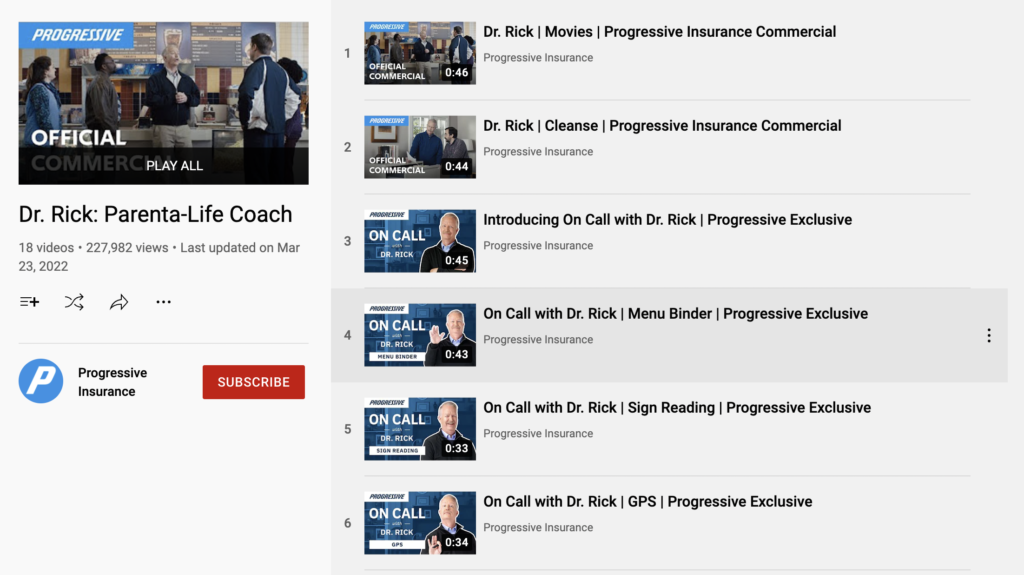
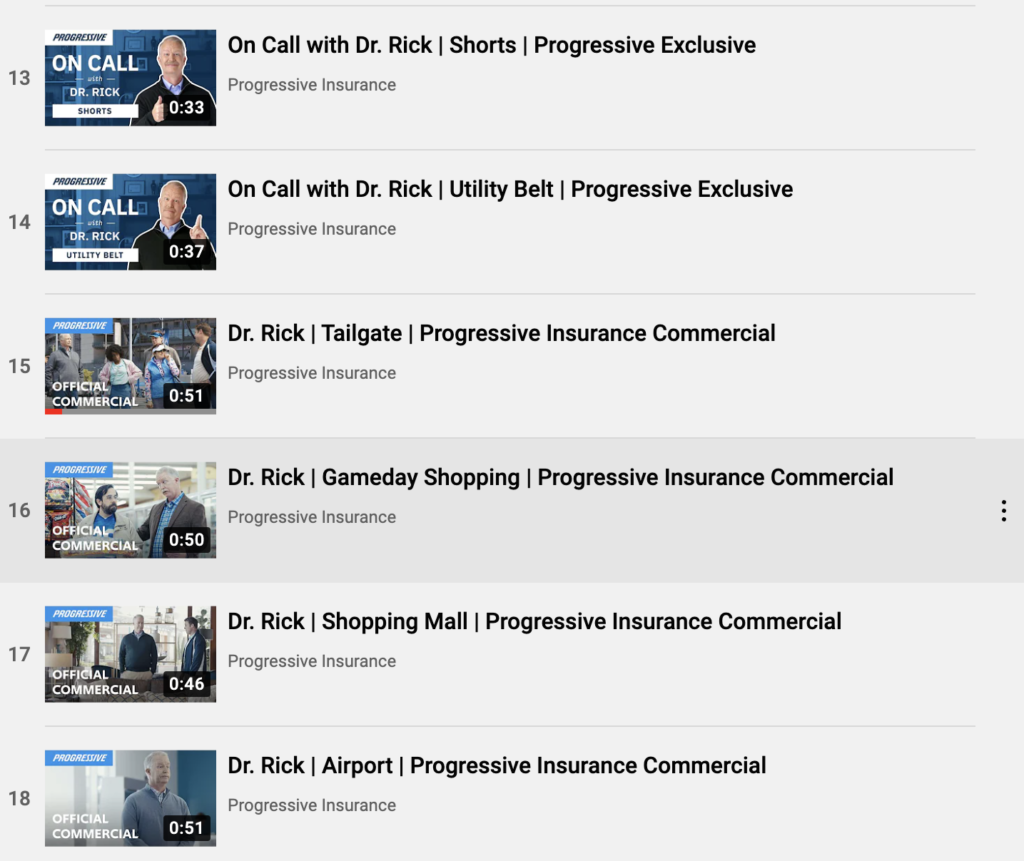
  • Shooting multiple creative variations is the most practical solution. Since most production costs are fixed overhead, capturing several versions of one concept in a single shoot is far more cost-effective than reshooting—and it keeps a message memorable without irritating viewers (as Progressive’s Dr. Rick campaign demonstrates).

We’ve all been there, bingeing a new TV show or catching up on a creator’s YouTube content only to see the exact same ad over and over again. By the time you’re finished watching, you have the commercial almost memorized and you wish you could see something (anything!) except that ad. You make a mental note to avoid the brand in the future, just to punish them for the incessant annoyance. Sound familiar?

This all-too-common experience can be summed up in one simple term that’s gaining traction in the marketing world: ad fatigue. 

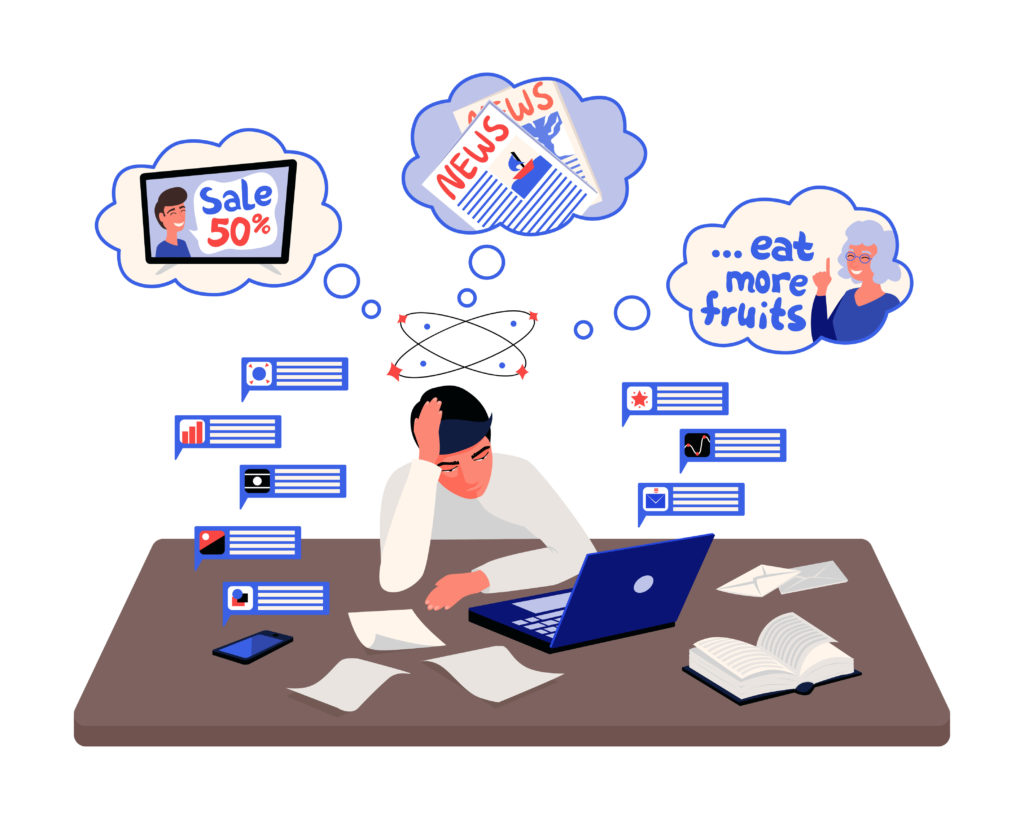
Ad fatigue describes the process of an audience seeing an ad too many times, becoming bored or frustrated by the repeated content, and tuning out every time they see it moving forward. In the best cases, audiences simply stop paying attention to the brand’s ad in the future. In the worst cases, they create lasting negative associations with the brand that affect purchasing decisions for the long term.

How Has Ad Fatigue Changed Over Time?

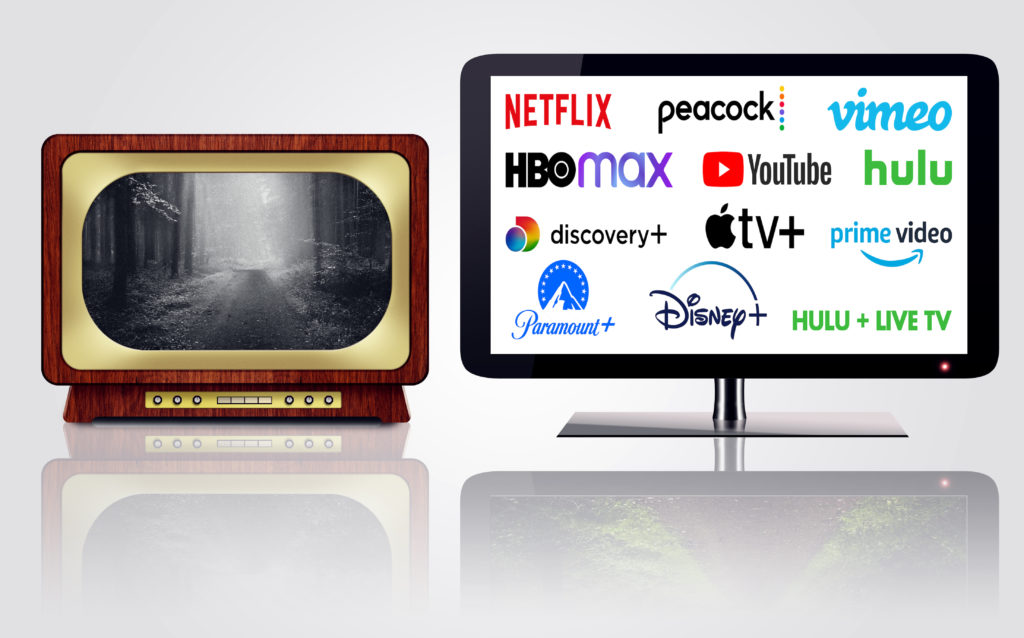
Ad fatigue isn’t a brand-new concept, but it wasn’t as prevalent back when cable TV was the primary method for consuming content. 

There are two main reasons for this. First, before the advent of streaming services, “bingeing” content was far less common than just watching your favorite show or movie when it aired. Content consumption was more evenly spread throughout the week or month, so there were fewer opportunities to be overloaded by the same ad content in a short period of time. 

Second, the ad buying landscape didn’t facilitate the ad fatigue experience as easily in the Broadcast environment. It was more common to purchase specific, individual ad slots, aligning with moments when your audience would be watching. 

Because the ad placements were sold for particular moments during popular programs, advertisers would know not to purchase back-to-back slots. In general, more attention was paid to the viewer experience and when/how they would interact with the content.
A smartphone screen shows a folder labeled "Streaming" with app icons for Netflix, Prime Video, Disney+, IQIYI, Max, Tencent Video, Hulu, Paramount+, and Peacock.

Video marketing insights from 40K productions.

A weekly delivery with practical strategies, creative inspiration, and real lessons from professional video production work.

FREE • ONCE A WEEK
A professional video camera is set up in an empty event venue with rows of chairs and a stage prepared for a live-streamed presentation.
A person wearing a cap drinks from a boxed beverage while standing outdoors near a river, with trees in the background.
A woman holds up a green sweater in front of a smartphone camera, filming a user-generated content video in a home office setting.

Almost there!

Where should we send the insights?

A professional video camera is set up in an empty event venue with rows of chairs and a stage prepared for a live-streamed presentation.
A person wearing a cap drinks from a boxed beverage while standing outdoors near a river, with trees in the background.
A woman holds up a green sweater in front of a smartphone camera, filming a user-generated content video in a home office setting.

You've successfully signed up for the video marketing insights!

What’s Causing Ad Fatigue Today?

Today, both of these factors have evolved. Most content is consumed marathon-style, meaning there are more opportunities to encounter ad content in one sitting. Additionally, programmatic media buying has changed the way advertisers distribute their ads. And in the programmatic space, there are a variety of scenarios that all lead to ad fatigue for the consumer. 

In some cases, the problem may be that there aren’t enough advertisers who want their content associated with a particular show or network. In other cases, the problem may be that advertisers opted for cheap placements at the last minute. In still other cases, advertisers may have been promised a given number of impressions, and you happen to fit into the narrow audience that meets the targeting criteria.

The ad fatigue concept is also not limited to OTT services. When advertising on Facebook, a metric called “frequency” provides insight into how many times each user has seen your ad creative. Facebook itself has released data on the optimal frequency, with the best campaigns garnering a frequency between 1 and 2 over the course of ten weeks. After 3.4, ad effectiveness drops off—likely because users become frustrated at the repetition. 

Simulmedia found roughly the same results from its analysis of TV campaigns. People who saw the same ad between six and 10 times were 4.1% less likely to make a purchase than people who saw the ad between two and five times total. 
What Are Platforms Doing to Address Ad Fatigue?

Notably, streaming services are aware that this problem is happening—and so are consumers. Many people have taken to internet forums to voice their concerns. For example, one Quora user asked, “Why does Hulu show the same commercials? I don’t mind commercials just hate seeing the same one 3 times per episode.” 

When Hulu came up against this issue directly in its own community forum, it took action to correct the problem. A user shared a post that said “Stop replay of the same commercial. Rewatching the same commercial is annoying.” (The post received almost 800 upvotes, presumably from other frustrated users.) 

Hulu’s response indicated that the company had decreased the amount of times that a particular ad could be shown in one day, answering that the problem had been solved. Still, that interaction happened back in 2019, and users are facing the same experience in 2024. Users are still responding on the same thread, pointing out that the problem has, in fact, not been solved.

Hulu’s attempted solution is an example of a frequency cap, which set limits on how often an ad can be shown within a given hour, day, or week. The good news is that frequency caps do have the potential to provide relief for viewers. The bad news is that they’re not monitored well enough to provide relief right now. Most of the complication lies in the fact that advertisers can now purchase ad slots from a variety of sources—the network, the platform, or even the programmatic buyer partner that handles the whole process. 

Each of these avenues may have its own frequency caps, but they don’t talk to each other. So, thanks to the lack of cooperation, a reasonable frequency cap of two placements per hour can easily stretch to eight placements per hour when the buying routes are stacked on top of each other. Not exactly a fix for the consumer. 

Altering Your Production Process to Prevent Ad Fatigue

The most common pushback around ad fatigue is the oft-cited marketing statistic that you need to hear a message seven times before it really sinks in. However, despite this stat’s widespread nature, its origin is actually unclear. Many marketers continue to use the “seven times rule” to push for repeated messaging, but the evidence falls short. 

Regardless, there is some truth to the concern that eliminating all repetition might hurt marketing results. So how do you create content that strikes the balance between being memorable and being irritating? Our answer: capturing additional value out of your video shoot by creating a few variations of your concept. 

Here’s why we love this solution. Many of the costs involved in your production day are overhead costs that occur no matter how much content you end up with. In many cases, it’s more cost-effective to capture additional content while you’re already on set than it is to come back another time to shoot a new campaign. 

So, when you’re planning your next production, opt for a few creative options based on the same campaign. The increase in cost will be marginal compared to the overall cost of the shoot, while the value you’ll receive from the resulting content is priceless.

Final Thoughts

As you focus on combating ad fatigue with your creative process, it’s possible we’ll see more widespread solutions from OTT platforms themselves. Today’s frequency caps aren’t stringent enough to eliminate the issue, but industry experts are hopeful that we’re moving in that direction. 

In the meantime, the production world may play a major role in easing ad fatigue for consumers. So, next time you’re launching your own ad campaign, plan to maximize your on-set time with a few variations on your concept. And next time you see variations of an ad campaign while you’re bingeing your favorite show, you know who to thank. Lemonlight is here to work with you any time you’re ready to make video ads that cut through the noise.


Schedule a Free Call

Ad Fatigue Frequently Asked Questions

1. What is ad fatigue?
Ad fatigue is what happens when an audience sees an ad so many times that they become bored or frustrated by the repetition and start tuning it out. At best, viewers simply ignore the brand’s future ads; at worst, they develop lasting negative associations that affect their purchasing decisions long-term.

2. Why has ad fatigue become more common than it was during the cable TV era?
Two shifts drove the change. First, streaming made binge-watching the norm, so viewers encounter the same ad far more often in a single sitting than when content was spread across the week. Second, the old broadcast model sold specific individual ad slots tied to particular moments, so advertisers avoided back-to-back placements—programmatic buying removed that built-in restraint.

3. How does programmatic media buying contribute to the problem?
Programmatic buying creates several scenarios that lead to repetition: too few advertisers wanting placement on a given show or network, advertisers grabbing cheap last-minute slots, or being part of a narrow audience that matches an advertiser’s targeting criteria for a promised number of impressions.

4. What does the data say about the ideal ad frequency?
On Facebook, the best-performing campaigns maintain a frequency between 1 and 2 over ten weeks, and effectiveness drops off after 3.4—likely because users get frustrated with the repetition. Simulmedia’s TV analysis found similar results: people who saw an ad 6–10 times were 4.1% less likely to purchase than those who saw it just 2–5 times.

5. What is a frequency cap, and does it solve ad fatigue?
A frequency cap limits how often an ad can be shown within a given hour, day, or week. While caps have real potential to give viewers relief, they aren’t monitored well enough to work right now—largely because advertisers buy slots from multiple sources whose caps don’t coordinate with one another.

6. Why don’t frequency caps work reliably today?
Advertisers can purchase ad slots from the network, the platform, or a programmatic buying partner, and each of these avenues may set its own frequency cap independently. Because these systems don’t communicate, a reasonable cap of two placements per hour can stack up to eight placements per hour when the buying routes overlap.

7. What’s the best way for advertisers to prevent ad fatigue?
Create a few variations of your ad concept during a single production shoot. Because many production costs are fixed overhead that apply no matter how much content you capture, filming several versions while already on set is far more cost-effective than returning to shoot a new campaign later—and it keeps the message fresh.

8. Is there a real-world example of this approach working?
Yes. Progressive’s 2020 Dr. Rick campaign, which shows a “parenta-life coach” teaching patients how not to turn into their parents, uses multiple spots built around the same concept. Because the videos are related but not identical, the message lands without the frustration of seeing the exact same ad repeatedly—a win for both advertisers and viewers.

Distribution & PromotionDistribution & Promotion
Picture of Alexa Nizam

Alexa Nizam

Alexa is a former spelling bee whiz turned copywriter. She’s written for B2B, B2C, and nonprofit companies since 2018, working to uncover the words that bring marketing strategies to life. She finds a blank page equal parts thrilling and terrifying—and she wouldn’t have it any other way. And yes, the Amazon Alexa ruined her life.

You may also like...

View All Articles
Visit Blog chevron_right
.

Video Marketing StrategyVideo Marketing Strategy

Event Recap Video Strategy for LA Marketing Conferences and Brand Activations

12 min read
.

Video Production TipsVideo Production Tips

Lemonlight’s AI Video Production Workflow: From Brief to Final Cut

12 min read
.

Video Production TipsVideo Production Tips

What’s Actually Inside a Video Production Quote? Line Items Explained

8 min read
.

Video Production TipsVideo Production Tips

Video Production Timeline Template: How Long Each Phase Actually Takes

11 min read

Like what you see?

Create your first video today.

Purchase a video and start your project today, and get your video in as little as 3 weeks.

Get Started Now

Subscribe to our newsletter

home chevron_right Blog chevron_right Avoiding Ad Fatigue with Multiple Versions of Your Ad Creative

Quick links

  • Partners
  • Portfolio
  • Press and Reviews
  • Contact
  • Video Marketing Strategy
  • Video Ad Specs
  • Advertising and Distribution
  • Video Production 101
  • Production Map
  • Lemonlight PRO
  • AI Video Production Services
  • AI Video Glossary

Get Started

  • Create Video

Cities

  • Austin
  • Chicago
  • Las Vegas
  • Los Angeles
  • Miami
  • New York
  • San Jose
  • San Francisco
  • San Antonio

Types of Video

  • Video Ad
  • Product Video
  • About Us Video
  • Fundraising Video
  • Testimonial Video
  • Event Video
  • Explainer Video
  • Tutorial Video
  • Team Video

Industries

  • Software & Tech
  • Education
  • Retail & Ecommerce
  • Beauty & Fashion
  • Health & Fitness
  • Food & Restaurant
  • Professional Services
  • Home & Garden
  • Medical & Biotech
  • Travel & Hospitality
  • Real Estate
Copyright © 2026 Lemonlight, Inc. All rights reserved.​
226 S Glasgow Ave, Inglewood, CA 90301
(310) 402-0275
  • Privacy Policy
  • Terms of Use
  • Cookies Policy
  • Disclaimer
  • Data Subject Requests

Let’s talk video.

Please fill out the form below, and an Account Executive will follow up within 2 hours (Business hours are Monday–Friday, 8 AM – 8 PM). If you're trying to reach someone else, please visit our contact page.


A Decade of Stories: Pioneering Video Production Across Industries

The journey of Lemonlight began with a vision that was both ambitious and deeply needed in the marketplace. From our humble beginnings in a small bedroom in 2014, our mission was clear: to revolutionize video production, making video content accessible for brands of all sizes. 

Three individuals posing together with smiles at an event with sponsor banners in the background.

This vision was born out of a realization that while the demand for digital advertising solutions—particularly in video—was skyrocketing, small and medium-sized businesses were significantly underserved. The statistics were compelling, with predictions that 74% of all internet traffic would be video by 2017, and evidence that video significantly boosted engagement rates in marketing communications. Yet, the costs and logistics of video production were prohibitive for most, averaging $300,000 for a 30-second commercial.

Our approach—offering transparent, predetermined video packages—was revolutionary at the time. It allowed clients to choose a price point they were comfortable with, breaking down the barriers that had kept high-quality video out of reach for so many. Over time, this approach evolved into robust content packages that worked for brands of all sizes. As video content became more important across all industries, brands rushed to figure out how to get more. 

Witnessing the success of our early clients, particularly the mom-and-pop shops that had previously thought high-quality video content was beyond their reach, was among the most rewarding experiences of our journey. Their stories of increased engagement, boosted sales, and enhanced brand recognition validated our belief in the power of accessible video content. These successes not only propelled our growth but the growth of our early clients as well.

Since then, Lemonlight has matured from a small startup to a leader in the video production industry. This journey over the last ten years has been marked by our commitment to innovation and quality, overcoming early challenges related to production costs and logistics. 

We realized that by streamlining the full production cycle, from pre-production to post-production, we could produce high-quality content more affordably, democratizing video production for all. 

As our reach expanded, enabling us to shoot anywhere in the country, our approach began to resonate with larger brands too. But unlike many companies that adjust their pricing based on the client’s profile, we maintained our integrity by offering consistent pricing structures. This meant that larger clients were not paying a premium for our services; instead, they were selecting more comprehensive packages that met their expansive needs. Today, we’re happy to work with some of the largest brands in the world, including Disney, Amazon, Walmart, Google, Lego, Netflix, and more. Our commitment to providing equal access to top-tier video production services, regardless of a client’s size or industry, sets us apart and remains a cornerstone of our appeal today.

It’s impossible to reflect on Lemonlight’s success over the past decade without highlighting the unparalleled role of our team’s creativity and expert dedication to storytelling. This human touch has not only built the foundation of our business but has fostered deep, lasting relationships with our clients and each other. Our team’s ability to bring stories to life, to encapsulate the essence of a brand within a few moments of video, has been instrumental in driving our success. This commitment to understanding each client’s unique narrative allows Lemonlight to consistently deliver content that resonates with audiences and elevates brands worldwide.

The next phase of Lemonlight will be to invest more heavily in technology to match our proven know-how in storytelling. We recently introduced the Lemonlight Platform, furthering our commitment to streamlining video production while enhancing quality and efficiency. This cutting-edge platform, integrated with AI, is designed not to replace our invaluable team but to amplify their capabilities. By automating the generation of pre-production documents in mere seconds, the platform allows our team—and our clients—to dedicate more time to the creative and human-centric aspects of storytelling that make our content so compelling. This technology has already revolutionized our workflow, speeding up the production process by over 40% and marking a significant leap forward for the industry.

Although still in its early stages, The Lemonlight Platform enables us to continue pushing the boundaries of what is possible in video production. We’re constantly exploring new technologies to ensure that our services mature and adapt to meet the highest standards of excellence and efficiency. This is particularly true when it comes to AI, where advancements are rapidly transforming the way video content is created and consumed. For example, text-to-video AI models like Sora will be a game changer for video creation, and we’re excited about how we can integrate similar models into our platform for seamless b-roll and additional visuals that enrich the depth and quality of our content without detracting from our expertise. 

So, as we reflect on the remarkable journey of the past decade, I invite our dedicated employees, valued clients, and future clients to join us in celebrating Lemonlight’s achievements. Your trust, hard work, and commitment have been the key to our success. Together, we have not only reached significant milestones but have also paved the way for a future filled with even greater opportunities. The future of video production is bright, and with the ongoing evolution of the Lemonlight Platform, we’re sure to remain at the forefront of this dynamic industry.

Whether you’re interested in exploring the capabilities of our platform, eager to start a new project, or simply wish to learn more about our services and how we can help bring your story to life, we invite you to reach out. Let’s create something extraordinary together. 

Here’s to the next ten years and beyond!

Professional headshot of a smiling woman with the text "hope horner ceo & co-founder" and a signature below.
Copy link
CopyCopied
Powered by Social Snap